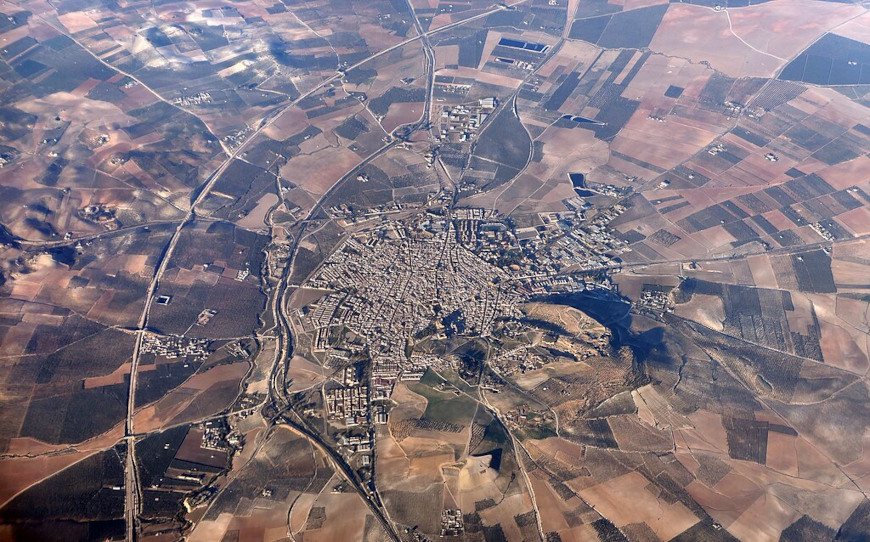

Government 'Plans' Demanded For Osuna's Phoenician Necropolis
In March 2025, the PSOE party in the Parliament of Andalucia demanded that the Spanish Ministry of Culture report on its plans for the town of Osuna’s ‘unprecedented’ Phoencian-Punic necropolis which, to the astonishment of archeologists, was discovered during water supply upgrade work in 2022.
Dating from the fourth or fifth century BC, the burial ground is located near the ruins of the Roman city of Urso’s theatre. The well-preserved ‘hypogea’ tombs are underground vaults carved into the limestone rock, accessed by staircases and entrance hall areas (atria). Their impressive construction bears testament to the luxury and wealth enjoyed by the Phoenicians, an elite group of whom seem to have been living permanently in this indigenous Tartessian community 2,500 years ago.
“The operation isn’t over yet and there’s still more to be discovered.“
Eight burial vaults have so far been excavated at the necropolis, with the Mayor of Osuna stating that “the operation isn’t over yet and there’s still more to be discovered”. Apart from the importance of further archaeological work, there is also the pressing need to protect the site and its contents from the natural elements, and to allow visitors to see these monumental subterranean structures.
While Osuna is well known for its Roman remains, the newly uncovered necropolis is unique in this part of southern Spain, and similar only to Phoenician burial grounds at coastal sites such as those at Cadiz (Gadir), Trayamar and Almunecar (Sexi). As such it sheds new light on the Phoenician presence in the Spanish hinterland, as well as the close local relationships, prosperity and social status that these commercial seafarers clearly enjoyed.